-
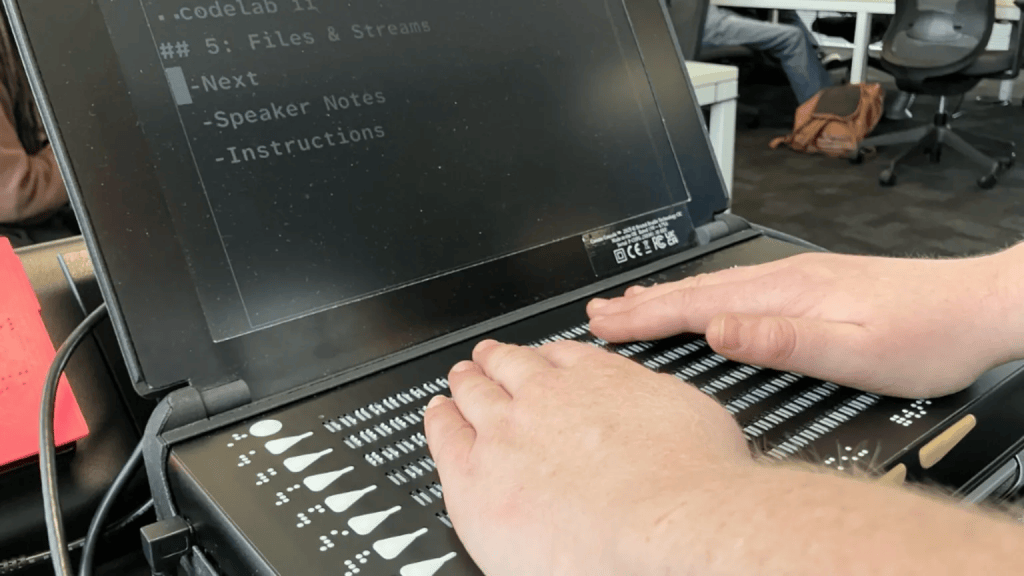
The Keyboard for the Blind
View more: The Keyboard for the BlindAs a customer experience researcher, I spend a lot of time looking at what frustrates people. Usually, companies worry about things like a confusing checkout button or a messy navigation menu. But when we talk about accessibility, friction is more than just annoying. It actively blocks people from participating. That is exactly why a recent…
-
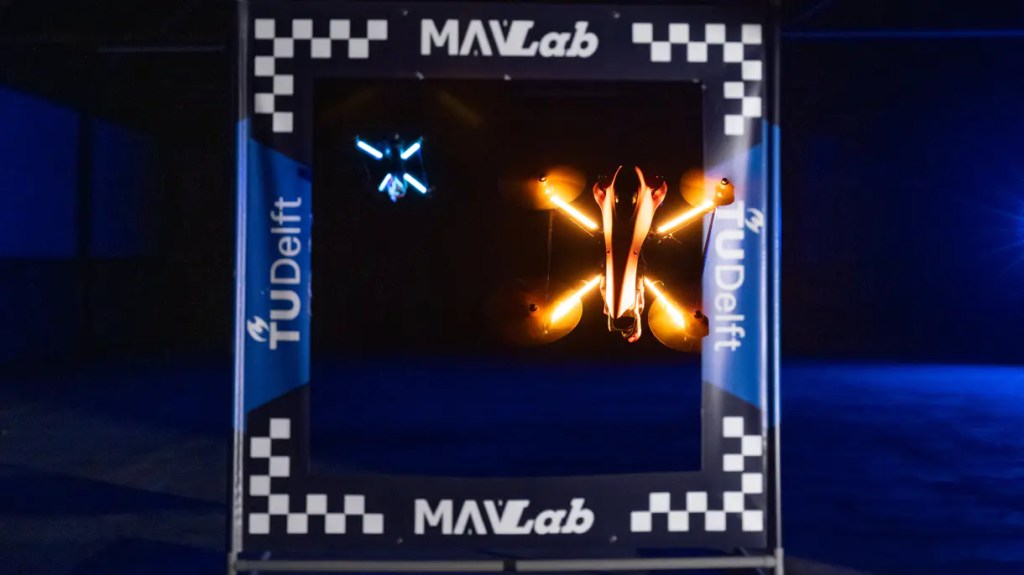
The AI Drone That Out-Flew Human World Champions
View more: The AI Drone That Out-Flew Human World ChampionsFor years, drone racing has been the ultimate test of human reflexes. If you’ve ever watched first-person view (FPV) drone racing, you know it looks like something out of a sci-fi movie: pilots wearing headsets, reacting in fractions of a second to weave small, screaming machines through neon-lit obstacle courses at breakneck speeds. It was…
-
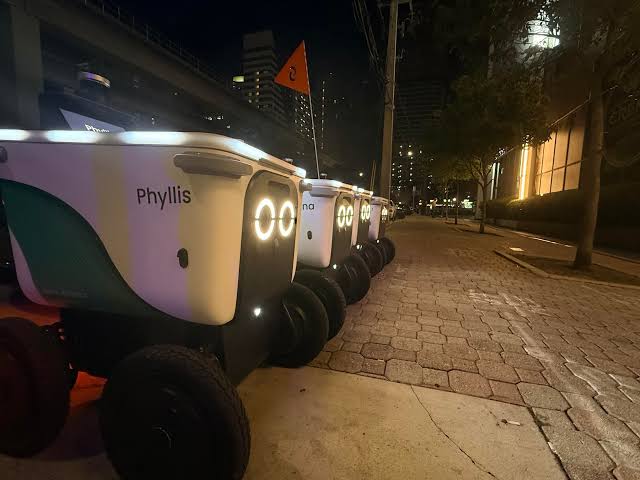
How China’s Delivery Robots Are Taking Over After Dark
View more: How China’s Delivery Robots Are Taking Over After DarkIt’s just past 10 PM at a farmers’ market in Shenzhen. The daytime rush has finally faded, but for grocery store managers like Zhang Chao, the work isn’t quite done. Instead of waiting for an exhausted human courier to arrive for a late-night pickup, Zhang taps a button on his phone. A few minutes later,…
-

The US Moves to Ban Mobiles in Schools Nationwide
View more: The US Moves to Ban Mobiles in Schools NationwideAcross the world, teachers and parents are dealing with the same modern headache of smartphones glowing in the classroom. While European countries like France, Italy, and the UK have been testing out different ways to curb screen time in schools, the United States is now taking a massive step toward a national solution. On October…
-
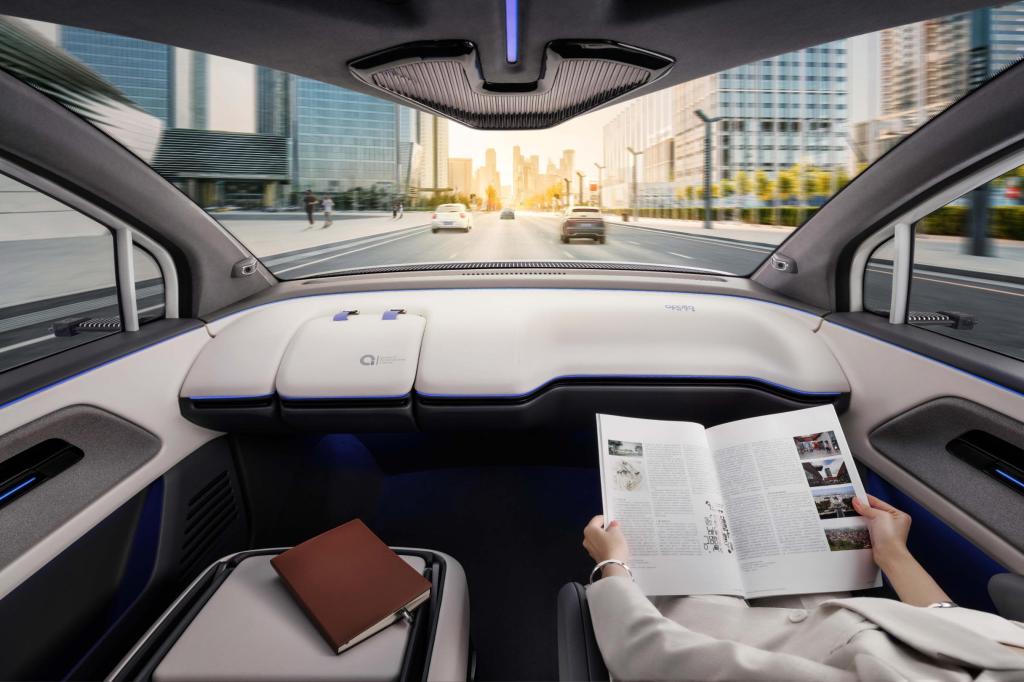
The UN Just Cleared the Road for Self-Driving Cars
View more: The UN Just Cleared the Road for Self-Driving CarsWe’ve all heard the promise for years that someday soon, you’ll be able to hop in your car, kick back with a coffee, and let the vehicle handle your morning commute. But despite all the hype, a world where cars truly drive themselves has always felt like it was perpetually ten years away. Well, the…
-
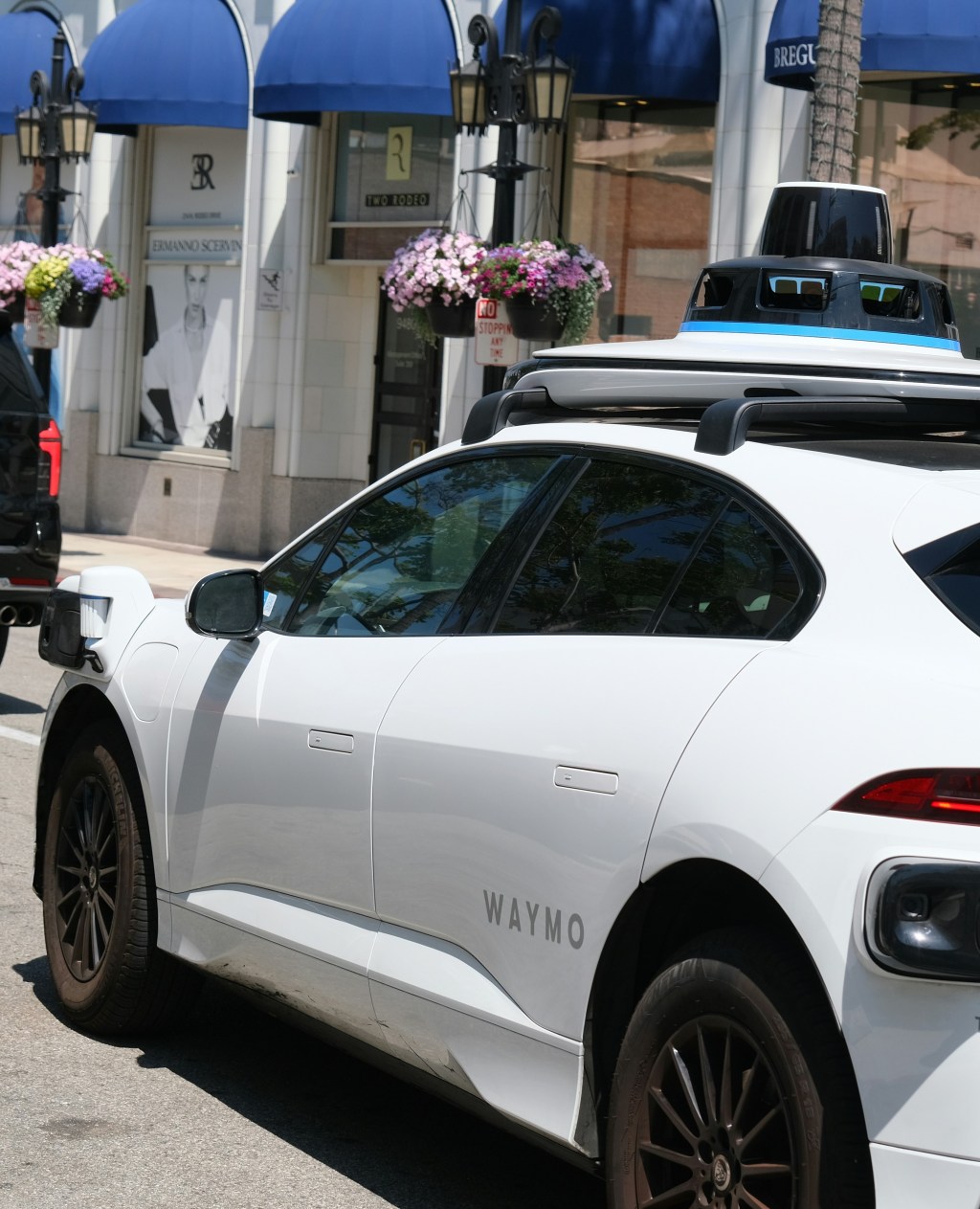
Are Robotaxis Safer Than Humans?
View more: Are Robotaxis Safer Than Humans?Are Robotaxis Actually Safer? Waymo’s New Data Might Change How You Think About Driving Let’s be honest: humans are messy drivers. We spill our coffee, we sneak glances at our phones, we get stressed in rush-hour traffic, and we drive home exhausted after a long day at work. For years, the ultimate promise of autonomous…
-
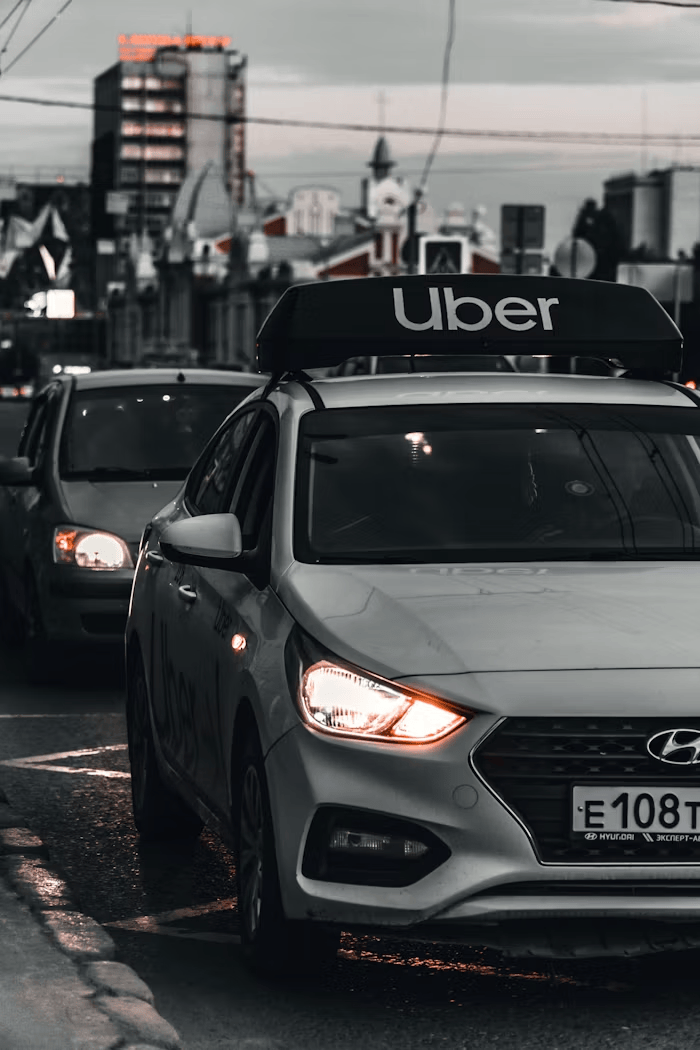
Driverless in Madrid
View more: Driverless in MadridThe future of autonomous driving in Europe has just taken a massive leap forward. In a landmark announcement, autonomous driving technology leader WeRide, ride-hailing giant Uber, and fleet operations specialist AVOMO have been granted Spain’s very first national operating permit for Level 4 autonomous passenger vehicles. Authorized by Spain’s Directorate General of Traffic (DGT), this…
-
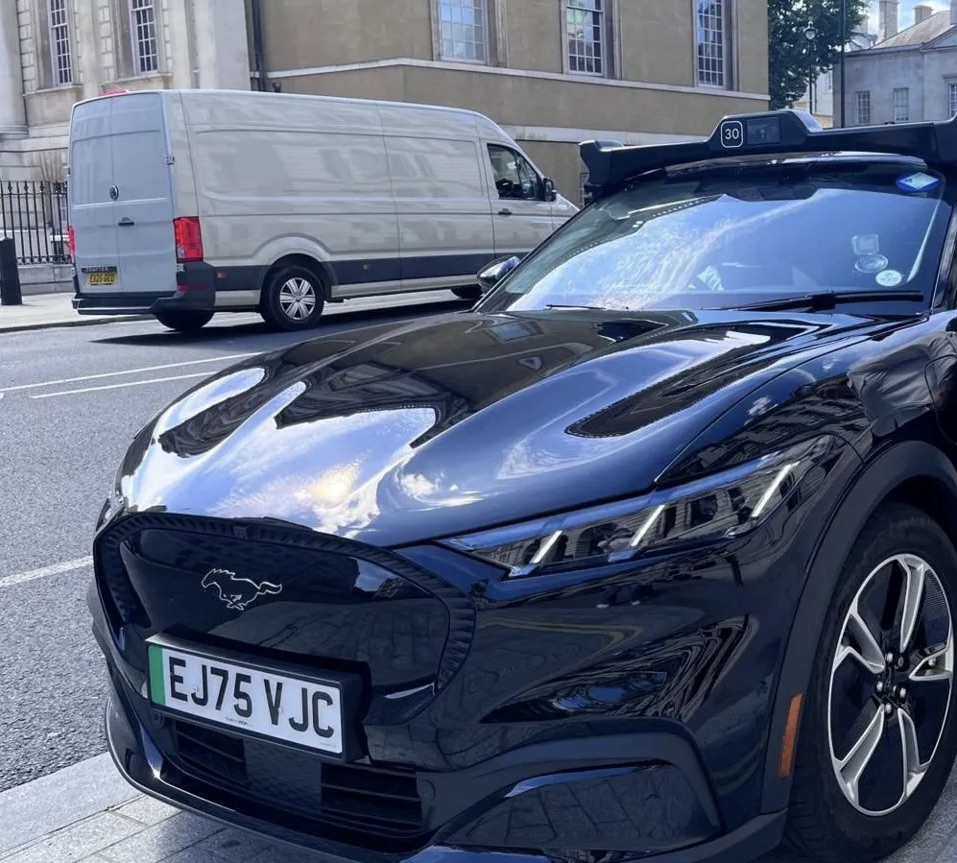
The Future Has Arrived: Uber Launches Self-Driving Taxis in London
View more: The Future Has Arrived: Uber Launches Self-Driving Taxis in LondonLondon’s busy and iconic streets are getting a major technological upgrade today. On September 3, 2026, Uber teamed up with British AI innovator Wayve to officially launch the city’s first self-driving taxi service. For Londoners calling a ride, the future is now just a tap away, though it comes with a characteristically British and cautious…
-
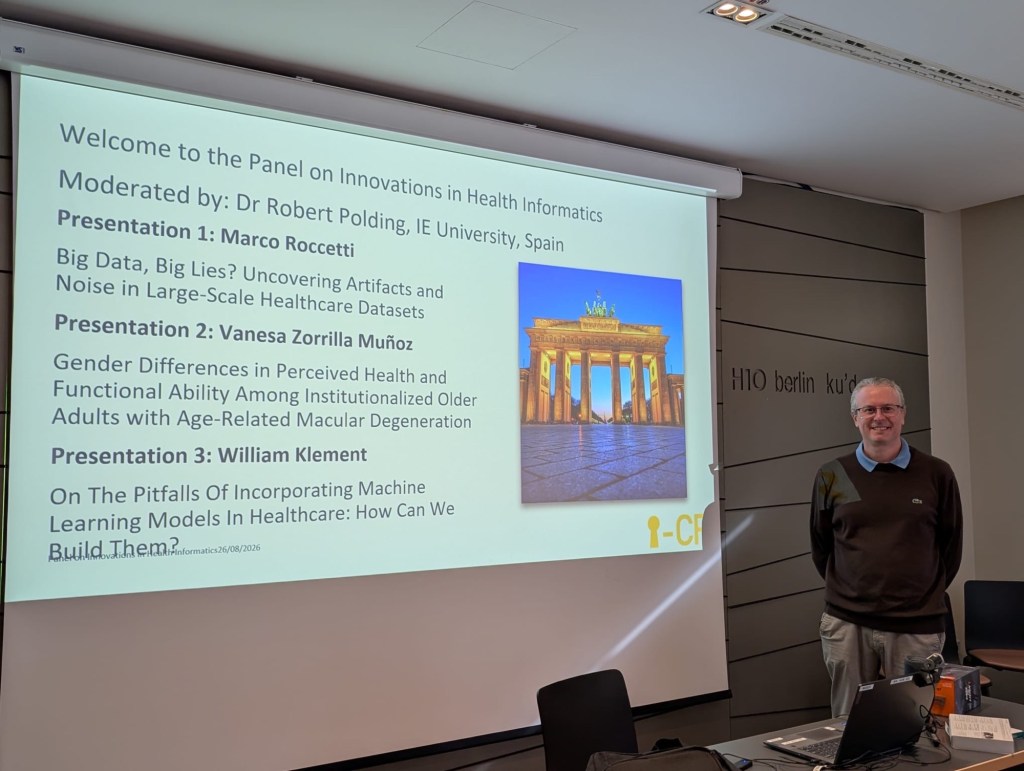
Reflections from ICR’26: Data Science, Health Informatics, and Exploring Berlin
View more: Reflections from ICR’26: Data Science, Health Informatics, and Exploring BerlinI recently had the opportunity to travel from Spain to attend The Fifth International Conference on Innovations in Computing Research (ICR’26). The event was held in Berlin, Germany, spanning from August 24 to 26, 2026. It was a fantastic week filled with rigorous academic discussions, topped off with some much-needed sightseeing. Monday and Tuesday My…
-

The Internet Is Becoming An App
View more: The Internet Is Becoming An AppI have been online long enough to remember when “the internet” and “the web” were different things, and when the web was genuinely a web. Pages linked to other pages and you could view the source of anything. The internet is becoming an app I have been online long enough to remember when “the internet“…
WELCOME
Popular ARTICLES

About the Author
Robert Polding is an Assistant Vice Dean at a Spanish University. He is a father, researcher and environmental campaigner.

